Why Car Key Batteries Fail More Often Than You Expect
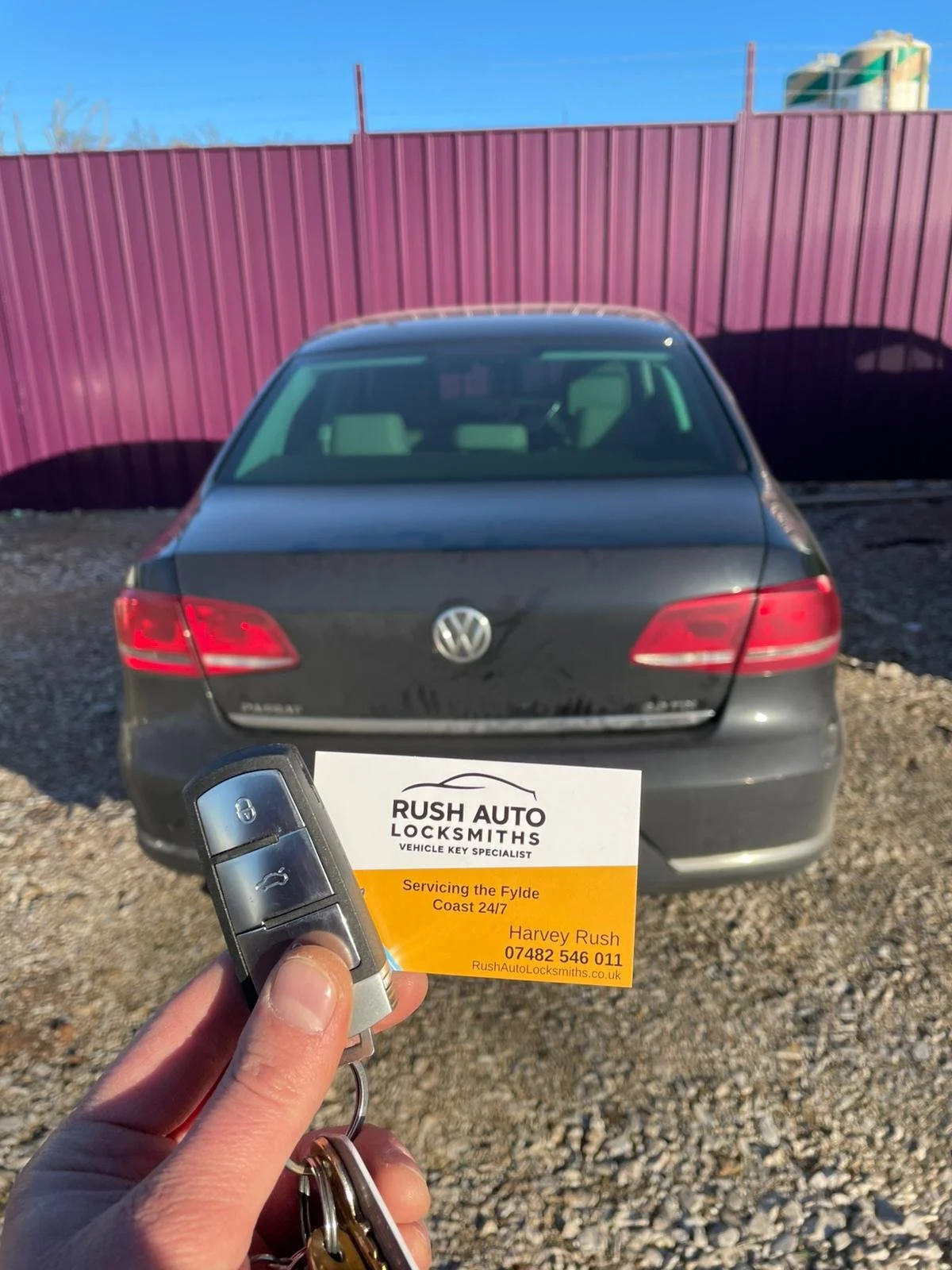
Car key battery failure is one of the most common reasons drivers experience sudden vehicle access issues. Many people assume that if a key still unlocks the car occasionally, the battery must be fine. In reality, key batteries often degrade gradually and fail without much warning, usually at the most inconvenient time.
Understanding why car key batteries fail, how to recognise the warning signs, and what preventative steps you can take can help you avoid unnecessary disruption and costly emergency situations.
How Modern Car Keys Rely on Battery Power
Most modern vehicles now use remote or proximity based car keys. These keys rely on a small internal battery to transmit a signal to the vehicle. When the car detects the signal, it allows the doors to unlock or the engine to start.
As the battery weakens, the signal becomes inconsistent. The key may work sometimes but fail at other times, creating confusion for the driver. This inconsistency is often the first indicator that the battery is nearing the end of its life.
Unlike older mechanical keys, modern keys cannot function reliably without sufficient battery power, even if the metal blade is still present.
Why Car Key Batteries Fail Faster Than Expected
Many drivers are surprised to learn that car key batteries typically last between one and three years. Several factors influence how quickly a battery degrades.
Frequent use is a major contributor. Every time a button is pressed or the key communicates with the vehicle, the battery drains slightly. Proximity keys that constantly communicate with the car can drain faster than traditional remote fobs.
Temperature also plays a significant role. Cold weather reduces battery efficiency, which is why many key failures occur during winter months. A battery that functions acceptably in warmer conditions may fail completely when temperatures drop.
Battery quality is another factor. Cheaper batteries often have a shorter lifespan and may leak or lose voltage prematurely.
Common Warning Signs of a Failing Key Battery
In many cases, drivers ignore early warning signs because the key still works occasionally. Some of the most common symptoms include reduced unlocking range, delayed response when pressing buttons, or needing to hold the key closer to the vehicle.
Some vehicles display dashboard warnings indicating that the key battery is low. These warnings should never be ignored, as they are designed to provide advance notice before total failure.
Intermittent starting issues with push button start systems are another red flag. If the vehicle does not consistently recognise the key, the battery may already be critically low.
Why Battery Failure Often Leads to Lockouts
A completely flat key battery can prevent the vehicle from recognising the key entirely. While many vehicles have emergency start procedures, these systems still rely on residual battery power in some cases.
Drivers who are unfamiliar with emergency key procedures may find themselves locked out or unable to start the vehicle unexpectedly. This often results in emergency callouts that could have been avoided with routine maintenance.
How Often Should You Replace Your Car Key Battery
As a general rule, replacing your car key battery once a year is a sensible preventative measure. Even if the key appears to be functioning normally, proactive replacement reduces the risk of sudden failure.
Keeping a spare battery at home or in your glove box can also be helpful, particularly during winter months when failures are more common.
Using high quality branded batteries rather than budget alternatives can extend lifespan and reduce the likelihood of leakage or voltage drop.
When Battery Replacement Does Not Fix the Issue
In some cases, replacing the battery does not restore full key functionality. This may indicate internal damage to the key circuit board or a programming issue.
Keys that have been dropped, exposed to moisture, or subjected to physical stress can develop internal faults that mimic battery failure symptoms.
A professional auto locksmith can test the key, diagnose the issue, and determine whether repair, reprogramming, or replacement is required.
Preventing Future Key Problems
Simple habits can significantly reduce the risk of key battery failure. Avoid storing keys near sources of heat or moisture. Do not leave keys inside vehicles for prolonged periods, especially during extreme temperatures.
Replacing batteries proactively and responding quickly to warning signs helps maintain reliable access to your vehicle.
Support During the Festive Period
Car key problems do not stop during holidays. If your key fails unexpectedly, Rush Auto Locksmiths remains available 24 hours a day throughout the festive period, in all weather conditions, to help keep you moving.
For support with your vehicle key issues call Rush Auto Locksmiths 07482546011